
It’s the question that stops more patients than almost any other: “Is it actually safe to have surgery in Mexico?” The concern is understandable. Surgery is serious. The stakes are high. And the internet is full of horror stories — most of which, on closer inspection, involve unverified clinics, unlicensed providers, or patients who chose the cheapest option without doing basic due diligence.
So let’s answer the question with facts, not reassurances.
Myth #1: “Mexican hospitals aren’t equipped for complex surgery”
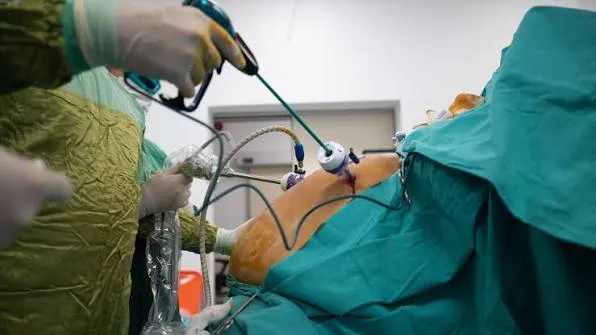
Reality: The major private hospitals in Tijuana that handle medical tourism are equipped to the same standard as U.S. hospitals for surgical procedures. They carry advanced laparoscopic equipment, ICU capabilities, board-certified anesthesiologists, and trained surgical nursing staff. The facilities used by established bariatric programs in Tijuana are not makeshift — they are full-service hospitals.
Myth #2: “Surgeons in Mexico aren’t properly trained”
Reality: Mexican surgeons complete the same medical training structure as their U.S. counterparts — medical school, general surgery residency, and specialty fellowships. Board certification from the Mexican Council of General Surgery (Consejo Mexicano de Cirugía General) is the equivalent credential to U.S. board certification, and it requires passing the same type of rigorous examinations and meeting the same continuing education requirements.
Dr. Daniel Huacuz holds active board certification and has performed over 18,000 bariatric procedures across a career spanning more than 25 years — a volume that exceeds most U.S. bariatric programs by a significant margin.
Myth #3: “If something goes wrong, you’re on your own”
Reality: Serious complications from bariatric surgery are rare regardless of where the surgery is performed — around 1 to 3% for sleeve gastrectomy and slightly higher for bypass. What matters is how complications are managed. Established programs in Tijuana provide complete English-language surgical documentation so that any U.S. physician can understand exactly what was done. Video follow-up is standard. And most importantly, the patients who experience complications are those who don’t follow post-operative protocols — not those who chose Tijuana over Houston.
Myth #4: “It’s cheap because they cut corners”
Reality: The price difference has nothing to do with quality of care and everything to do with structural cost differences. Physician salaries, hospital overhead, malpractice insurance, and administrative costs are fundamentally lower in Mexico than in the United States. The same laparoscopic stapler, the same sutures, the same anesthesia protocol — at a fraction of the total cost to the patient.
What actually determines safety
The country where surgery is performed matters far less than these three factors: the qualifications and volume of the surgeon, the quality of the facility, and the patient’s adherence to pre- and post-operative protocols. A high-volume, board-certified bariatric surgeon operating in a fully equipped hospital in Tijuana carries lower risk than a low-volume surgeon at a small-town U.S. hospital — full stop.
How to evaluate any bariatric program, anywhere
Before committing to any surgeon — in Mexico or the U.S. — ask these questions: Is the surgeon board-certified? How many of this specific procedure have they performed? Is surgery performed in a hospital (not an outpatient clinic)? What does the post-operative follow-up protocol look like? What happens if I have a complication?
At Bariatric Surgery Mexico, every one of these questions has a clear, documented answer. We encourage patients to ask all of them before making a decision.
📞 Call or WhatsApp: 619 270 53 88 (U.S.) | 664 900 7118 (Mexico)
🌐 bariatricsurgerymexico.com | info@certifiedbariatricsurgeons.com
This article is for informational purposes only and does not replace a personalized medical evaluation.