
Every year, thousands of patients from California, Arizona, and Texas cross the border into Tijuana to undergo gastric sleeve surgery — and not because they can’t find a surgeon at home. They come because the quality of care is comparable, the experience is often superior, and the cost difference is significant enough to make the decision easy.
If you’re considering bariatric surgery and wondering whether Tijuana is a realistic option, this guide covers what you actually need to know.
Why U.S. patients choose Tijuana for bariatric surgery
The most immediate reason is cost. In the United States, a gastric sleeve procedure without insurance coverage typically runs between $15,000 and $25,000 USD. In Tijuana, the same procedure with a board-certified surgeon, performed in a fully equipped hospital, costs a fraction of that — with savings typically exceeding 60%.
But cost alone doesn’t explain the volume. Tijuana has become one of the highest-volume bariatric surgery centers in the world, and with that volume comes expertise. Surgeons here perform in a month what many U.S. hospital programs perform in a year. That experience is a clinical asset, not just a marketing point.
What is gastric sleeve surgery?
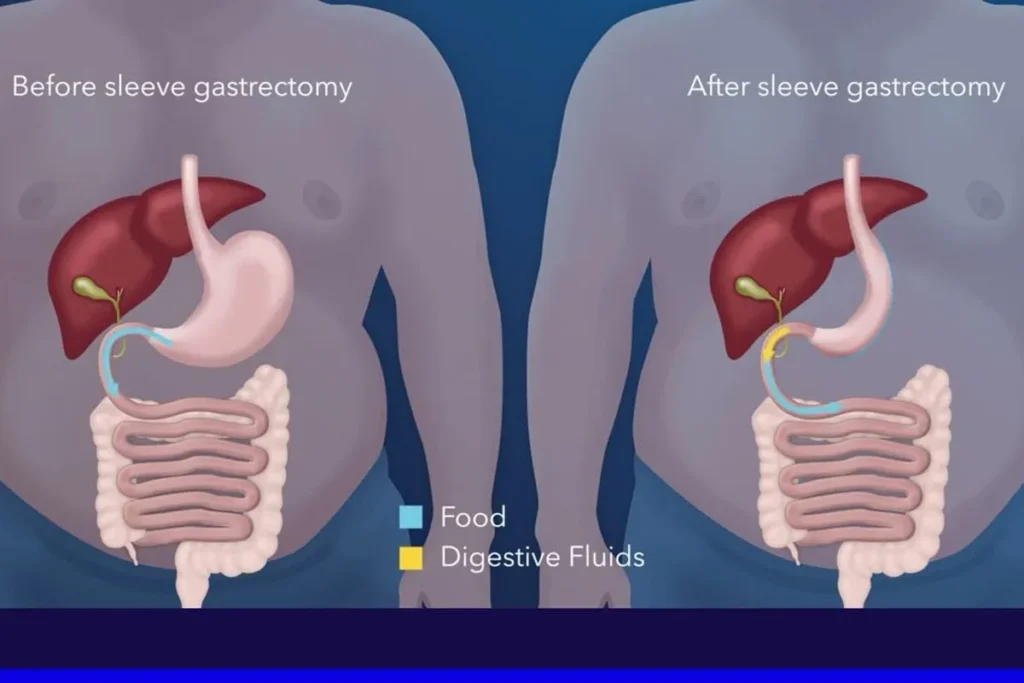
The gastric sleeve — formally called sleeve gastrectomy — is the most commonly performed bariatric procedure in the world. The surgery removes approximately 80% of the stomach, leaving a banana-shaped tube (the “sleeve”). The result is a smaller stomach capacity and a significant reduction in ghrelin, the hormone that drives hunger.
The procedure is performed laparoscopically, meaning through small incisions rather than open surgery. Most patients are discharged within 24 to 48 hours and return to light activity within two weeks.
What results can you expect?
Clinical data consistently shows 50 to 70% excess weight loss within 18 months of surgery. Beyond weight loss, patients frequently see improvement or complete remission of conditions like type 2 diabetes, hypertension, sleep apnea, and joint pain — often before significant weight loss has even occurred.
The logistics: closer than you think
Tijuana is located directly across the border from San Diego. The drive from downtown San Diego to the hospital is under 30 minutes. For patients flying in, San Diego International Airport (SAN) is the closest major hub, with direct flights from most U.S. cities.
The team at Bariatric Surgery Mexico coordinates airport pickup, hotel accommodations for the pre-op day, and post-operative monitoring before you return home. The entire process — from arrival to departure — typically takes 3 to 4 days.
Follow-up care after you return home
One of the most common questions U.S. patients ask is what happens if something goes wrong once they’re back home. The answer is straightforward: your surgical team provides complete documentation of your procedure in English, which any U.S. physician or ER can use. Video follow-up appointments are available at 1 month, 3 months, 6 months, and 1 year post-op. In the rare event of a complication, you are never without support.
What to look for in a Tijuana bariatric surgeon
Not all programs are equal. Before choosing a surgeon, verify: active board certification from the Mexican Council of General Surgery, hospital-based surgery (not an outpatient clinic), documented experience with the specific procedure you need, and a clear post-operative follow-up protocol.
Dr. Daniel Huacuz meets all of these standards — with over 25 years of experience, more than 18,000 patients treated, and a team that has worked exclusively in bariatric surgery throughout that time.
📞 Call or WhatsApp: 619 270 53 88 (U.S.) | 664 900 7118 (Mexico)
🌐 bariatricsurgerymexico.com | info@certifiedbariatricsurgeons.com
This article is for informational purposes only and does not replace a personalized medical evaluation.