
If you have been researching weight loss surgery, you have probably narrowed it down to two options: the gastric sleeve and the gastric bypass. Together they account for the vast majority of bariatric procedures performed worldwide, and both have decades of evidence behind them.
So which one is better? The honest answer is that neither is better for everyone. Each one fits a different patient profile. This guide walks you through the real differences so you can arrive at your consultation with the right questions.
How the Gastric Sleeve Works
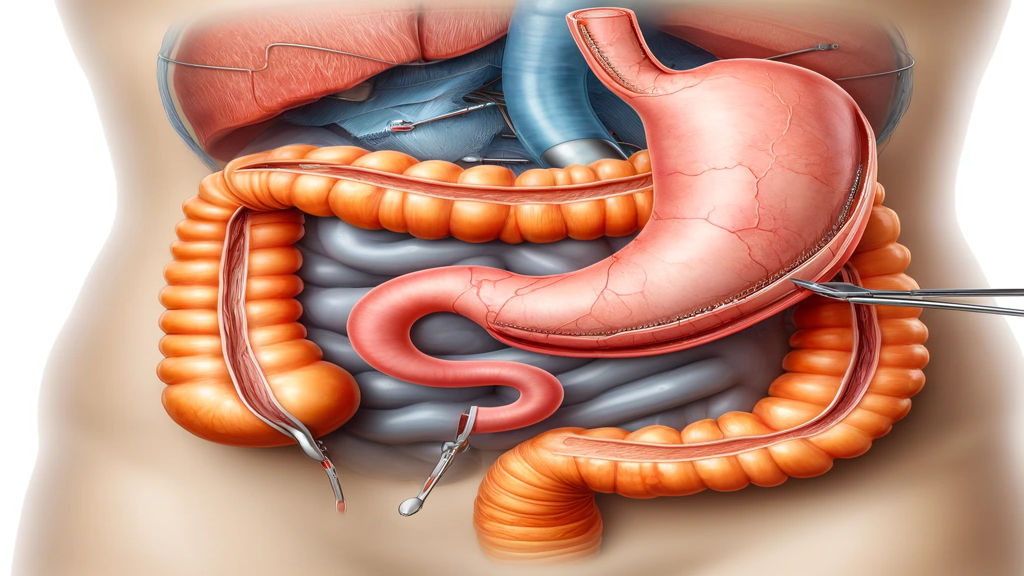
In a sleeve gastrectomy, the surgeon removes about 75 to 80% of the stomach, leaving a narrow, banana-shaped tube. Two things happen as a result. First, you feel full with much smaller portions. Second, the part of the stomach that produces ghrelin — the main hunger hormone — is removed, so appetite drops significantly.
The sleeve does not reroute the intestines. Food follows its normal path, which means nutrient absorption stays closer to normal.
How the Gastric Bypass Works
The Roux-en-Y gastric bypass creates a small stomach pouch, about the size of an egg, and connects it directly to a lower section of the small intestine. Food bypasses most of the stomach and the first part of the intestine.
This produces two effects: restriction, because the pouch holds very little, and a strong hormonal change in how the body handles sugar and fat. That hormonal effect is the reason the bypass is so powerful for type 2 diabetes. You can read more about the procedure in our guide to gastric bypass surgery in Tijuana.
Side-by-Side Comparison
| Factor | Gastric Sleeve | Gastric Bypass |
|---|---|---|
| How it works | Restriction + lower hunger hormones | Restriction + intestinal rerouting + stronger hormonal effect |
| Typical excess weight loss (first 1–2 years) | About 60–70% | About 65–80% |
| Type 2 diabetes | Significant improvement | Highest remission rates |
| Acid reflux (GERD) | Can start or worsen reflux | Usually improves or resolves reflux |
| Surgical complexity | Simpler, shorter operation | More complex, longer operation |
| Vitamin supplements | Required for life | Required for life, with closer monitoring |
| Dumping syndrome | Rare | Possible with sugary foods |
| Hospital stay | 1–2 nights | 1–2 nights |
Weight Loss: How Do They Compare?
Both procedures produce major, lasting weight loss. In the first one to two years, most patients lose 60 to 80% of their excess weight, with the bypass usually toward the higher end of that range.
Over the long term, the gap stays modest. A large randomized trial in Finland followed sleeve and bypass patients for ten years and found that bypass patients kept slightly more weight off — roughly half of their excess weight, compared with a little over 40% for sleeve patients. Your own habits will matter more than that difference: patients who keep up with protein, exercise and follow-up visits get the best results with either procedure.
Type 2 Diabetes and Metabolic Health
If you live with type 2 diabetes, this is where the decision often tips. Both surgeries improve blood sugar, sometimes within days, before significant weight is lost. However, the gastric bypass consistently shows higher rates of diabetes remission — meaning normal blood sugar without medication — especially in patients who have used insulin or have had diabetes for many years.
The bypass also tends to have a stronger effect on high cholesterol and triglycerides. For patients whose main goal is metabolic health, it is often the first recommendation.
Acid Reflux: A Key Deciding Factor
Acid reflux is one of the most important questions to settle before choosing. Because the sleeve turns the stomach into a narrow, higher-pressure tube, it can cause new reflux or make existing reflux worse in some patients.
The bypass works the opposite way. It is actually one of the most effective treatments for chronic reflux, because it diverts acid and bile away from the esophagus. If you already take daily heartburn medication or have a hiatal hernia, the bypass is usually the safer choice. We cover this topic in depth in acid reflux after bariatric surgery.
Risks and Long-Term Considerations
Both are safe, well-established procedures when performed by an experienced surgeon in a proper hospital setting. Each has its own profile:
- Gastric sleeve: a simpler operation with fewer long-term nutritional issues. Its main long-term concern is reflux. It is not reversible, although it can be converted to a bypass later if needed.
- Gastric bypass: a more complex operation. Long-term considerations include marginal ulcers (especially in smokers or patients who take anti-inflammatory painkillers), internal hernias, dumping syndrome after sugary foods, and a higher need for vitamin and mineral monitoring.
For patients who have already had a sleeve and are dealing with reflux or weight regain, converting to a bypass is a common and effective option. Learn more about revision bariatric surgery in Tijuana.
Which Procedure Fits You?
The gastric sleeve is often a good fit if you:
- Have no significant acid reflux or hiatal hernia.
- Want a simpler operation with a lower long-term nutritional burden.
- Take medications that need normal absorption.
- Have a BMI in the lower range for surgery and no complex metabolic disease.
The gastric bypass is often a good fit if you:
- Have type 2 diabetes, especially long-standing or insulin-dependent.
- Have chronic acid reflux or a hiatal hernia.
- Have a higher BMI and need maximum weight loss.
- Have severe high cholesterol or triglycerides.
These are general guidelines, not a diagnosis. The right answer comes from a full evaluation of your medical history, lab work and, in many cases, a pre-operative endoscopy.
Frequently Asked Questions
Which surgery has a faster recovery?
Recovery is similar. Most patients stay in the hospital one to two nights and return to desk work within one to two weeks after either procedure.
Which surgery is safer?
Both have low complication rates in experienced hands. The sleeve is technically simpler, while the bypass offers better protection against reflux. Surgeon experience matters more than the procedure itself — see is bariatric surgery safe in Mexico?
Can a gastric sleeve be converted to a bypass later?
Yes. Conversion from sleeve to bypass is a common revision for reflux or weight regain.
Do I have to take vitamins for life?
Yes, after either surgery. Bypass patients need closer monitoring of iron, vitamin B12, calcium and vitamin D.
Which one costs more in Mexico?
The bypass is usually priced higher because it is a longer, more complex operation. See our current weight loss surgery packages for all-inclusive pricing.
Get a Personalized Recommendation
Choosing between the sleeve and the bypass should not come down to a price list or a forum thread. It should come from a surgeon who has reviewed your case. Dr. Daniel Huacuz is a board-certified bariatric surgeon in Tijuana with more than 25 years of experience and over 18,000 patients treated. He performs both procedures and will recommend the one that fits your health goals — not the one that is easiest to sell.
Your consultation can start online, from home, before you ever cross the border.
📞 Call us from the U.S.: 619 270 53 88
🌐 Request your free consultation
This article is for informational purposes only and does not replace a personalized medical evaluation.